
Refuse certain interventions in Côte-des-Neiges–NDG against pests
In Côte-des-Neiges–NDG, among old duplexes, semi-basement apartments, and dense buildings, pest pressure varies quickly and demands responsible decisions. Saying no to treatment is not a refusal to act; it's often a protective measure. When faced with a request for’pest extermination, a exterminator Seriously, first evaluate the relevance of the action, the occupants' context, and the existing pest prevention measures.
Diagnosis in-depth
Refusing treatment starts with a rigorous pest inspection. In shared housing, an isolated indicator does not justify a comprehensive intervention. The origin, trajectory, and contributing factors within the building are verified. The objective is to avoid unnecessary treatments that disrupt the indoor environment without addressing the cause.
A good diagnosis distinguishes active infestations from old traces, observes structural access points, and confirms the consistency of infestation signs. It relies on water sources, airflow, technical voids, and waste management within the building. In cases of specific doubt, localized action and monitoring are recommended.
When occupants mention other problems like bedbugs, a clear reference to bed bugs help to frame the situation; we will immediately return to the present case with a decision based on observable facts.
Signs indirect
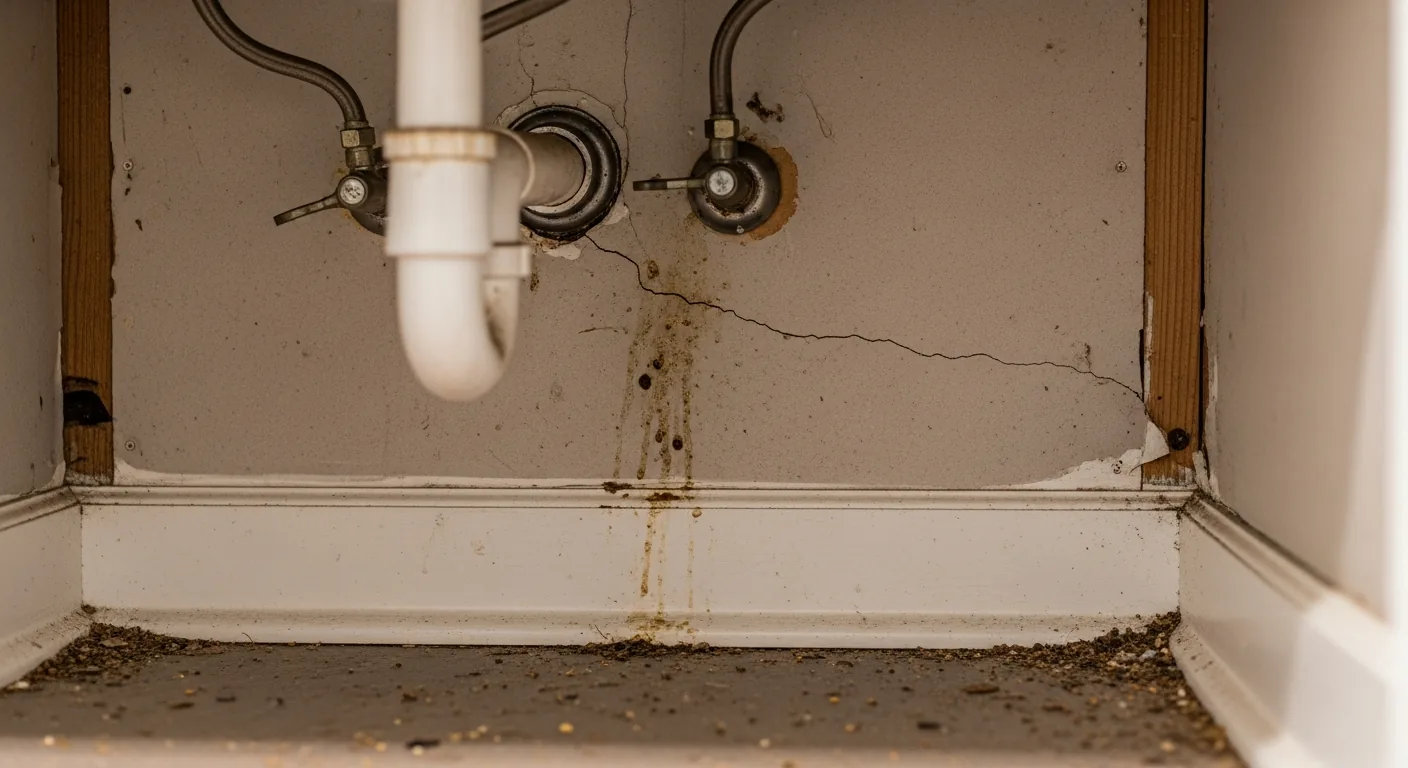
- Localized accumulation of abnormal debris or dust near baseboards, confirming possible activity.
- Fine greasy traces on a precise path along a wall or around an entry point.
- Lingering odor in a specific corner, associated with visible residue.
- Damaged food packaging in a communal pantry.
- Feces or micro-debris depending on the inspected area, corroborating an actual passage.
- Discreet noises behind a wall accompanied by visible displaced materials.
- Recurring moisture spots that could favor pests in a dwelling without direct proof of active infestation.
For clarification, consult the FAQ extermination. In some buildings, confusion with cockroaches occurs; we immediately refocus on the actual observed evidence before any decision.
Areas hidden specific to the neighborhood
| Zone | NDG context | Observed risk | Recommended action |
|---|---|---|---|
| Baseboards and cracks | Antique wood paneling and open joints | Risk of discreet passages | Seal, monitor |
| Under the sink | Aging piping | Can promote moisture | Dry, insulate |
| Technical video | Inter-apartment access | Can promote circulation | Targeted inspection |
| Appliance back | Heat and Residue | Food attraction risk | Regular cleaning |
| Balconies and soffits | Seasonal entries | Can facilitate intrusions | Seal openings |
Errors frequent of occupants
- Demand immediate treatment without confirmation of infestation signs.
- Multiplying domestic products, disrupting analysis and evidence.
- Confuse ancient traces with current activity.
- Do not coordinate with neighbors in a multi-unit building.
- Neglecting basic pest prevention measures like tidiness and sealing entry points.
- Blocking access before inspection, obscuring trajectories.
- Refuse a harmful inspection visit and request a general application.
- Ignore post-visit maintenance recommendations.
Risks washrooms and collective
Unnecessary treatment can needlessly expose occupants, especially children and pets, without reducing a non-existent problem. On a building-wide scale, a bad decision creates repeated interventions, feeds recurring pests, and erodes trust between tenants and managers. Situations must be assessed factually and documented, in connection with the FAQ extermination.
When the refusal is justified, it protects indoor air quality, limits disruptions, and guides towards sustainable preventive measures that are harmful. For responsible support, access the contact page.
Approach professional compliant Quebec
In NDG, refusing certain treatments falls within a clear doctrine: proof, proportionality, and traceability. The focus is on targeted actions, physical corrections, and documented follow-up. This approach respects Quebec standards and the reality of older buildings, where interventions must be precise to avoid side effects.
Professionalism involves explaining when intervention is unnecessary, then proposing a roadmap: patching, hygiene, inspection follow-up, and coordination with the manager. If a structural situation is suspected, a relevant reference such as termites may be provided; we immediately return to the current file with a decision centered on the evidence.
In any case, the objective remains the same: to protect the occupants and the building, to avoid unnecessary treatments and to maintain a fact-based pest control in Montreal.