
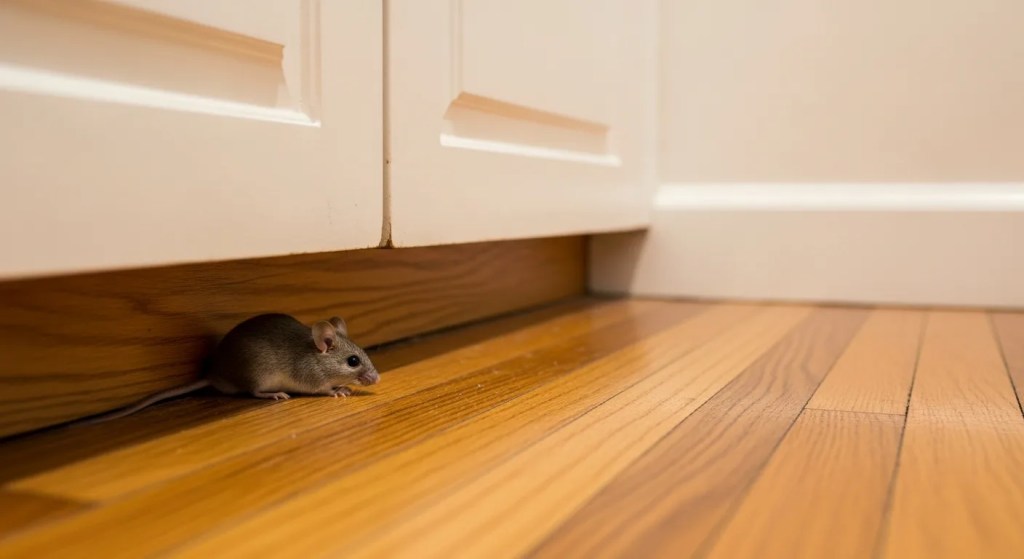
Family safety in Villeray concerning pests
In Villeray, between old duplexes, shared back staircases, and high resident turnover, the question often comes up: Is it safe? The presence of pests in a building directly affects children, pets, and quality of life. A well-managed extermination process protects your home without compromising your safety. An experienced exterminator works with protocols adapted to occupied housing, common areas, and the constraints of Montreal buildings.
In-depth diagnosis
A reliable diagnosis begins with a complete pest inspection of affected units and common areas. In Villeray plexes, wall cavities, false floors, and plumbing passages create corridors. The goal is to locate active nests, identify entry points, and assess the infestation's pressure on a building-wide scale, not just within a single apartment.
When adjacent dwellings show traces, a coordinated plan is proposed to limit recurrences and avoid the phenomenon of recurring pests. In some cases, the presence of cockroaches is favored by the humidity in shared kitchens; the environment is then corrected, and the action plan focused on the general condition of the building is immediately revisited to ensure occupant safety.
The report includes concrete actions: sealing entry points, adjusting storage habits, targeted interventions in active areas, and monitoring to verify a decrease in activity.
Indirect signs
- Regular presence of gnawed food debris in cabinets, accompanied by small piles of residue.
- Greasy marks along baseboards or wall corners, indicating repeated passage.
- Unusual and persistent odors in enclosed spaces, often linked to concentrated activity in a cavity.
- Nocturnal noises accompanied by displaced materials or disturbed insulation, never occurring alone without visible evidence.
- Appearance of fine dust or sawdust near an interior structure, a sign of activity within a building element.
- Cracks used as entry points, visible around window frames and piping.
- Increased movements observed near food and water sources.
For quick answers about the infestation signs, see the FAQ extermination. If doubt persists with other building contexts such as mice, a comprehensive inspection clarifies the situation and refocuses the intervention on the main problem.
Hidden areas specific to the neighborhood
| Zone | Risk | Why in Villeray? | Recommended action |
|---|---|---|---|
| Wall cavities | Risk of pests moving between units | Old buildings with multiple additions | Inspection and targeted sealing |
| Kitchen sink cabinet | Can favor humidity and access | Aging plumbing | Drying and watertight joints |
| Baseboards and frames | Entry point risk | Material wear | Sealing and regular verification |
| Storage spaces | Accumulation of attractive materials | Dense seasonal storage | Organization and closed containers |
| Technical voids | Active hidden pathways | Connections between dwellings | Controlled access and localized treatment |
Common occupant mistakes
- Waiting too long to report activity, which promotes spread within the plex.
- Clean only the surface without treating structural access and hiding places.
- Use unsuitable products that scatter activity instead of containing it.
- Neglecting to coordinate with neighbors or the manager.
- Leave sources of water or food accessible at night.
- Ignore the holes around pipes and cables.
- Store bags and boxes directly on the storage floor.
- Confusing ants with another situation and delay the intervention; we immediately return to a comprehensive inspection to secure the dwelling and confirm the real source.
Health and collective risks
In a building, pests in rental housing pose a collective challenge. Moving between units increases the risk of cross-contamination, material degradation, and neighbor complaints. For families, this can mean allergies, stress, and worries for young children and pets.
The solution involves clear communication, supervised intervention, and follow-ups. Useful information is available in the FAQ, and rapid support can be triggered on the page contact to limit the spread within the building.
Compliant professional approach in Quebec
Professional intervention relies on approved products, targeted applications, and safety procedures for occupants present. The protocol includes site preparation, intervention in active areas, followed by monitoring to verify reduced activity. Each step aims for pest control and long-term stability.
Coordination with occupants and the manager is essential in Villeray plexes. Technicians document access, recommend simple fixes, and schedule a follow-up visit if necessary. To get started, use the page contact. In particular structural contexts where wood is affected, checks related to termites can be considered; the intervention then returns to the main plan to quickly protect the occupants.
A coherent, local, and ongoing approach remains the key to answering the question "Is it safe?" with concrete and observable actions at each step.
And in the neighboring neighborhoods?
What to remember about safe extermination in Villeray:
- Family safety ensured by protocols adapted to occupied housing
- Complete inspection of units and common areas to locate active infestation sites
- Hidden corridors in plexes facilitate spread between adjacent apartments
- A coordinated plan is essential to prevent recurring infestations across the building
- Humidity in shared kitchens favors cockroaches in older plexes.