
Why mice come back after treatment at Côte-des-Neiges-NDG: method land and expert analysis
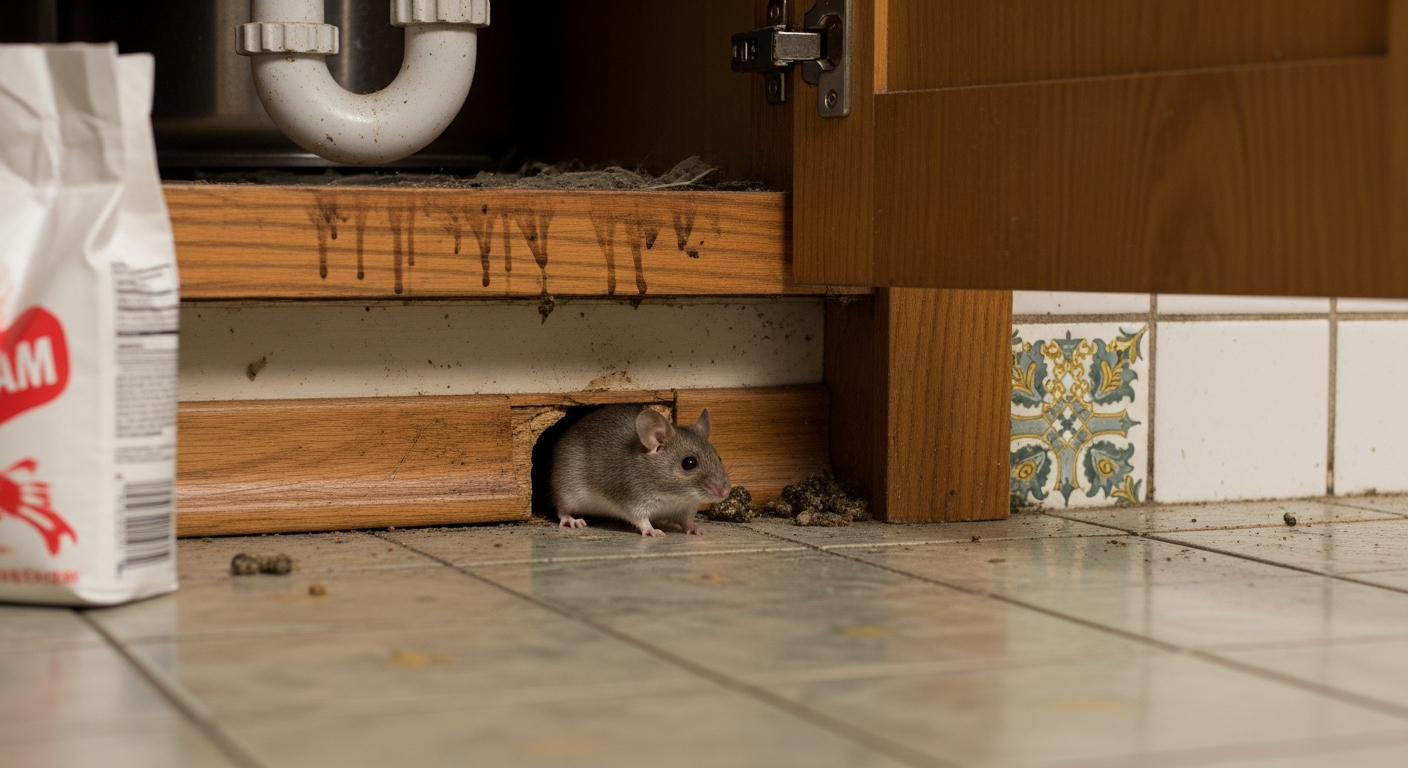
In Côte-des-Neiges-NDG, the reappearance of the mouse after treatment is a common scenario in plexes, apartment buildings and older buildings. Many residents and managers ask: why, despite intervention, do these pests persist? This local guide is for those who live or manage a building in the neighborhood, where mouse mobility and shared access between neighbors play a crucial role. Here, the difference is in the method, not the product. A exterminator terrain shares the essentials for understanding and taking action.
Diagnosis in-depth
Mouse treatment failure in Côte-des-Neiges-NDG is often the result of incomplete diagnosis. Older structures, technical voids and shared walls between dwellings encourage the discreet circulation of mice. It's not enough to use bait: we need to understand how they get in, where they circulate, and how they exploit the environment. Mouse mobility is comparable to that of rats in basements, but each species uses different paths. The priority remains a thorough inspection around walls, ceilings, wet rooms and structural weak spots. Only a methodical approach, adapted to the reality of the neighborhood, can stem the tide of a pest. mouse extermination montreal that lasts.
Signs indirect
- Black excrement in the shape of grains of rice behind appliances or in cupboards.
- Mouse noises at night, accompanied by displaced materials (insulation, wool, paper) in walls or ceilings.
- Greasy marks on baseboards or along narrow passageways.
- Gnawed food or punctured packaging in the kitchen and pantry.
- Persistent musky odors in poorly ventilated rooms.
- Small holes or enlarged cracks around pipes and cables.
- Debris of insulating materials falling from ceilings or found near technical access points.
- Observation of a mouse crossing a room in the evening, indicative of a larger, invisible mouse infestation.
If in doubt, consult the FAQ extermination or discover how cockroaches also use structural cracks, but immediate action against mice means that any openings detected must be sealed.
Areas hidden specific to the neighborhood
| Area to watch | Côte-des-Neiges-NDG feature | Risk of infestation | Recommended action |
|---|---|---|---|
| Under-stair crawl space | Old buildings with uninsulated access | Can promote night-time circulation | Inspect and isolate, place suitable traps |
| Kitchen cabinets | Shared walls, shared pipes | Risk of migration between homes | Fill cracks, clean regularly |
| Suspended ceilings | Frequently found in multi-unit dwellings | Overhead mouse hideaway and quick access | Monitor moved materials, install detectors |
| Basement and cellars | Moisture, cracked joints | Invisible nesting and infestation | Drain, fill holes, control access |
| Bathtub hatches and crawl spaces | Multiple unseen accesses | Favors discreet movement | Close unused access points, regular inspection |
| Baseboards and radiator surrounds | Old-fashioned heated buildings | Mice in the walls, traffic difficult to block | Seal with resistant material |
Errors frequent of occupants
- Simply placing bait without identifying the actual entry points.
- Neglect small holes near baseboards or under sinks.
- Forgetting to communicate with neighbors during shared infestations.
- Leave food accessible in the kitchen, especially at night.
- Ignore mouse noises at night without thorough inspection of the walls.
- Use products that are not adapted to the structure of old buildings.
- Forget that infestation can move from one dwelling to another via ceilings or cellars.
- Confusing mouse signs with those of other pests such as ants ; detailed inspection must always focus on the concrete traces of mice.
- Wait too long before calling in a field professional for a full diagnosis.
Risks washrooms and collective
Mice can contaminate food surfaces, damage insulation, and spread pathogens throughout the building. Collaboration between occupants and managers is essential, as a neglected infestation can quickly spread to several units. Consult the FAQ for answers on what to do next or contact an expert directly at Contact for an intervention adapted to the local building.
Approach professional compliant Quebec
Effective treatment in Côte-des-Neiges-NDG begins with a complete inspection and physical closure of accesses, before any products are used. Our method takes into account the reality of plexes and multi-unit dwellings: coordination with neighbors, personalized advice and rigorous follow-up. For a detailed assessment, contact our specialists (Contact). Structural problems, sometimes similar to those encountered by termites in wood require extra vigilance, so always go back to basics: inspection, sealing and regular checks.


 Français
  English (Canada)